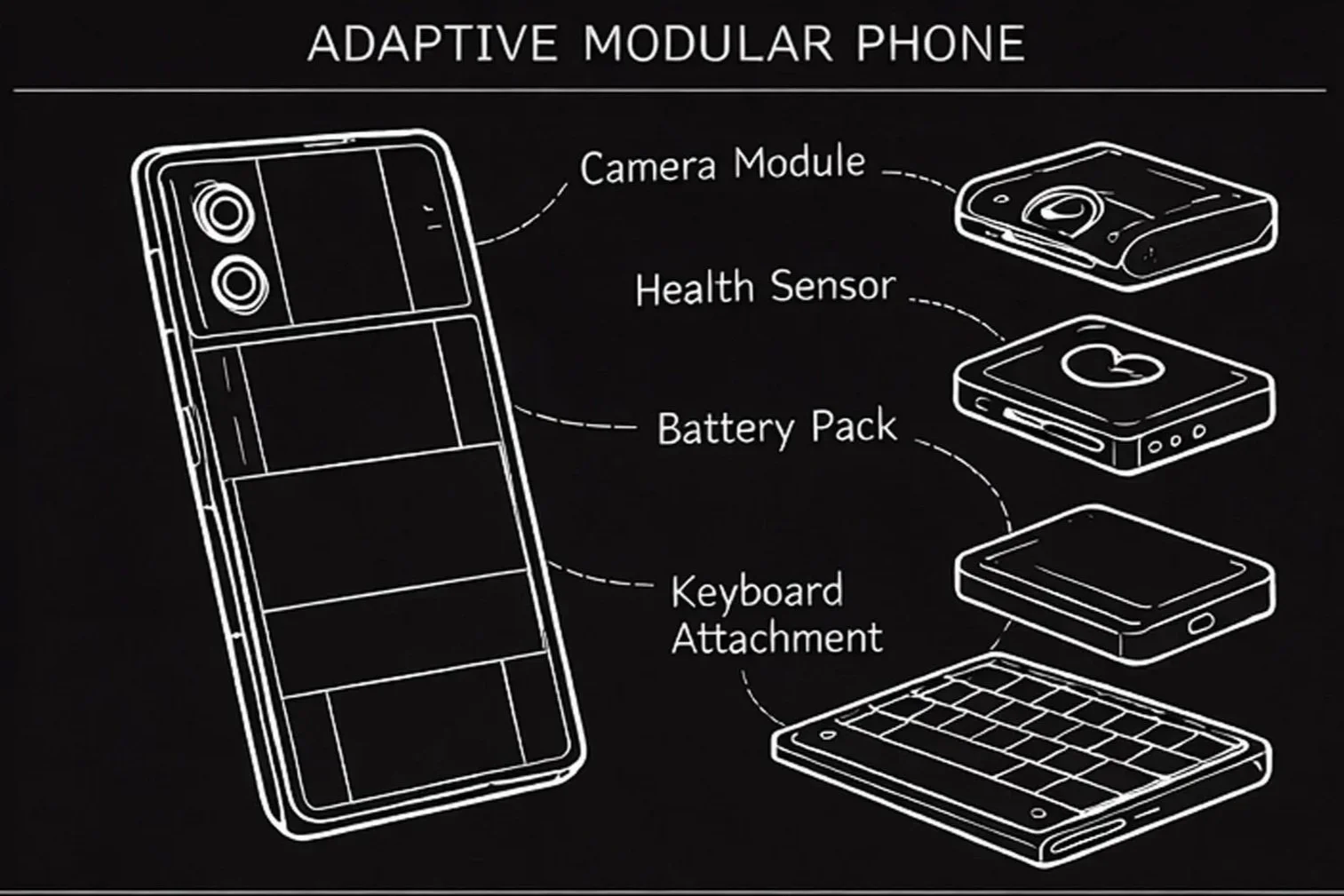
reframing the modular phone
where did modular tech go wrong?
meet the leading examples

LG G5
Repairable components emphasize sustainability, but the lack of modular functionality and design makes them less desirable.
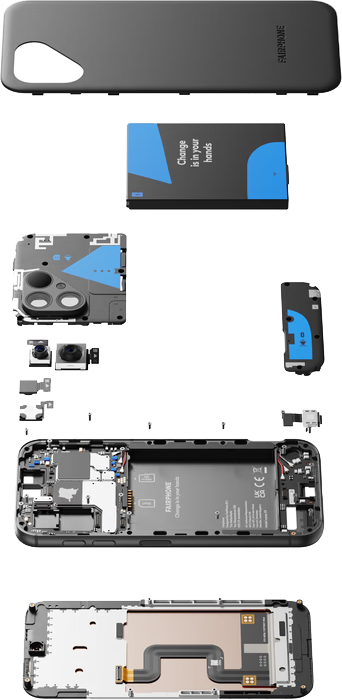
Fairphone 5
The goal of full modularity introduced too much complexity, resulting in a bulky design and a hardware ecosystem that was unsuitable for the average user.
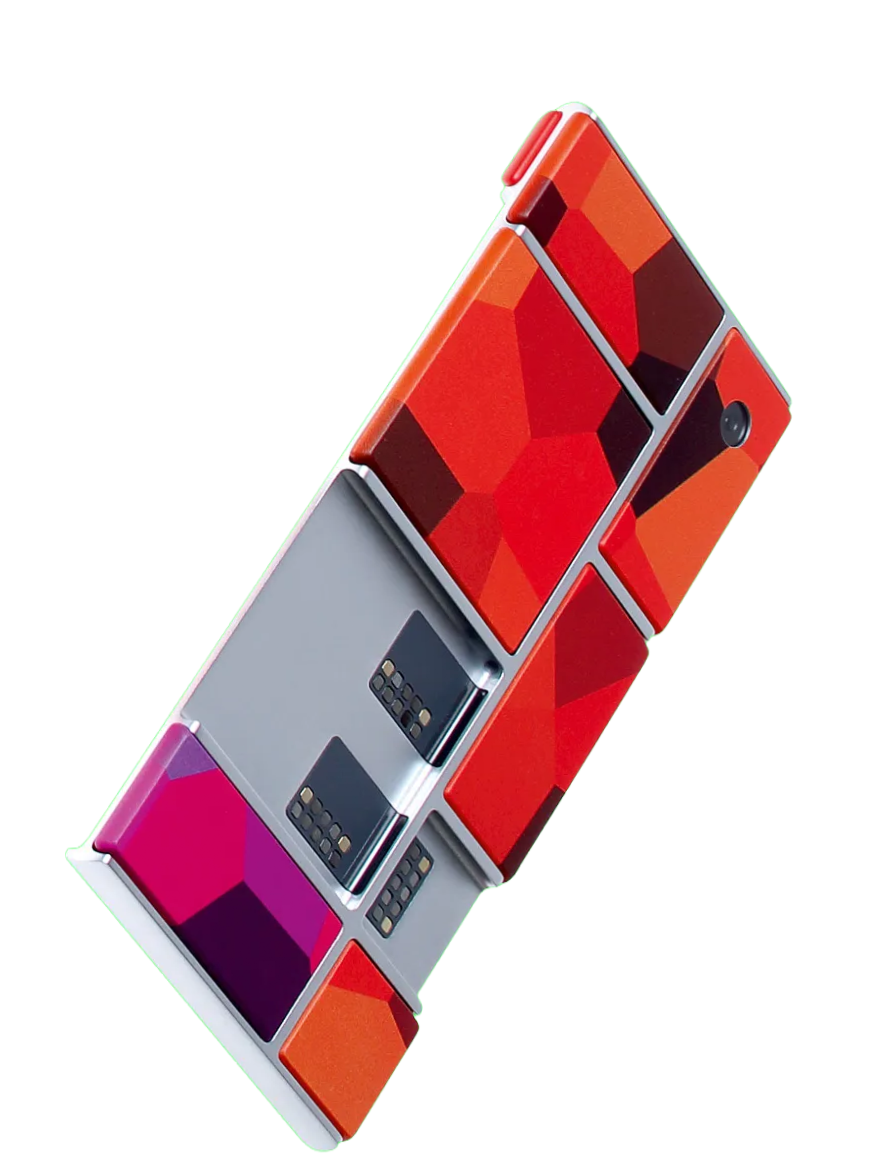
Project Ara
Accessory modules were limited, costly, and inconvenient to use. Requiring the removal of batteries undermines the seamless modular interaction design.
the product
-
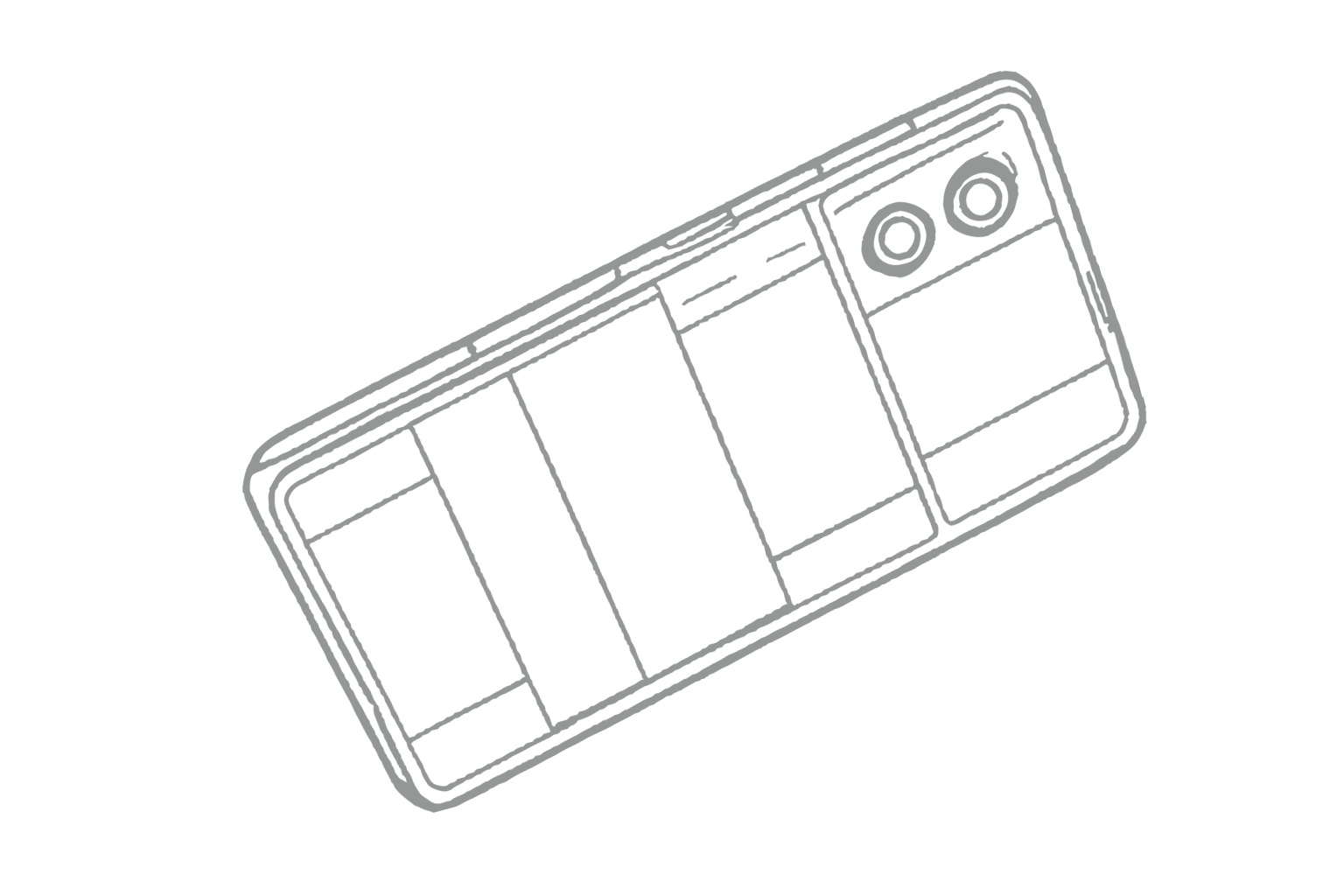
Context-responsive modularity is a fresh angle that replaces the current repair focused modularity. It allows modularity to go beyond the existing static and function limited models.
-
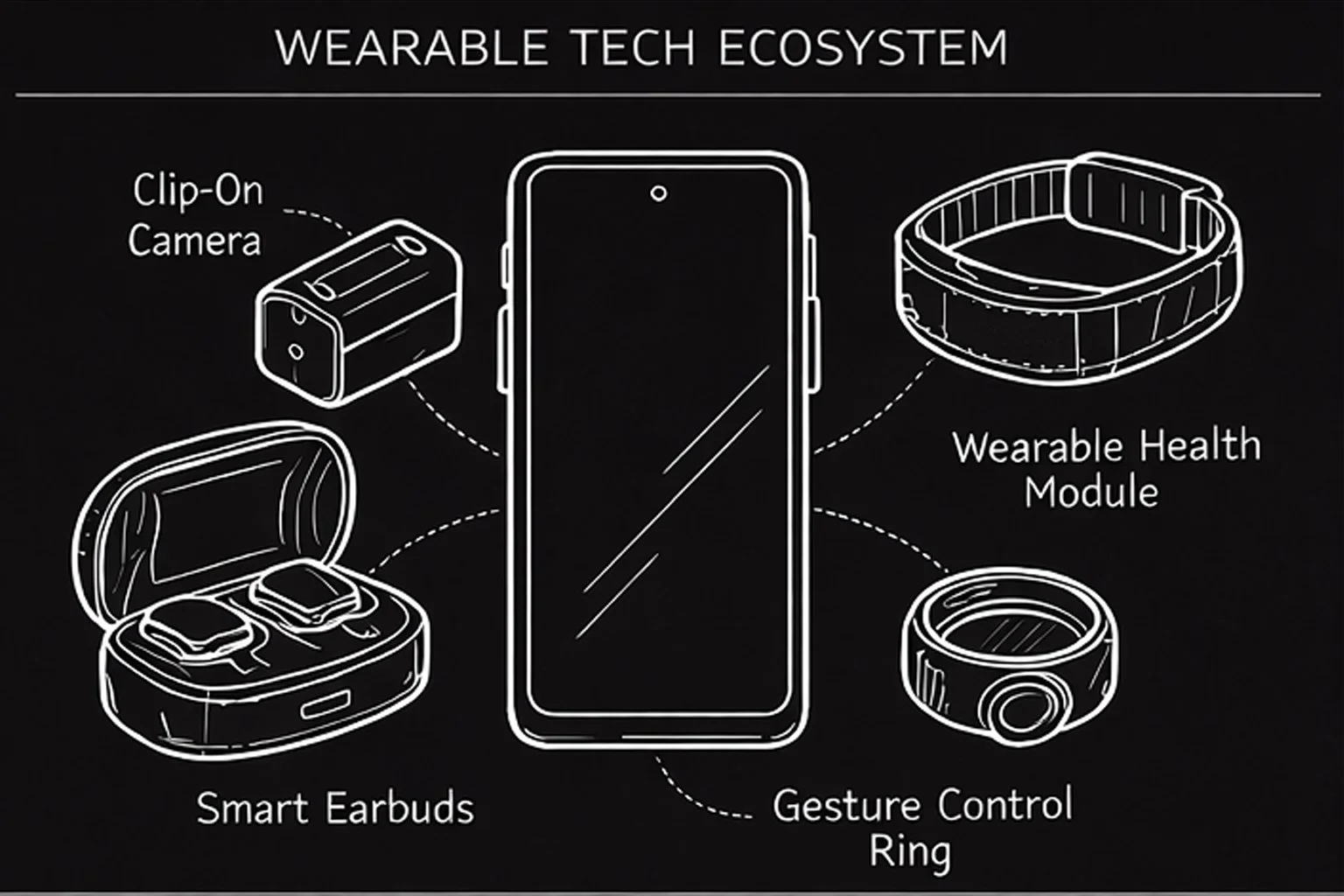
Distributes functionality across wearable accessories, overcoming not only the bulky design of modular phones, but also tackles phone dependency and excessive screen time.
-
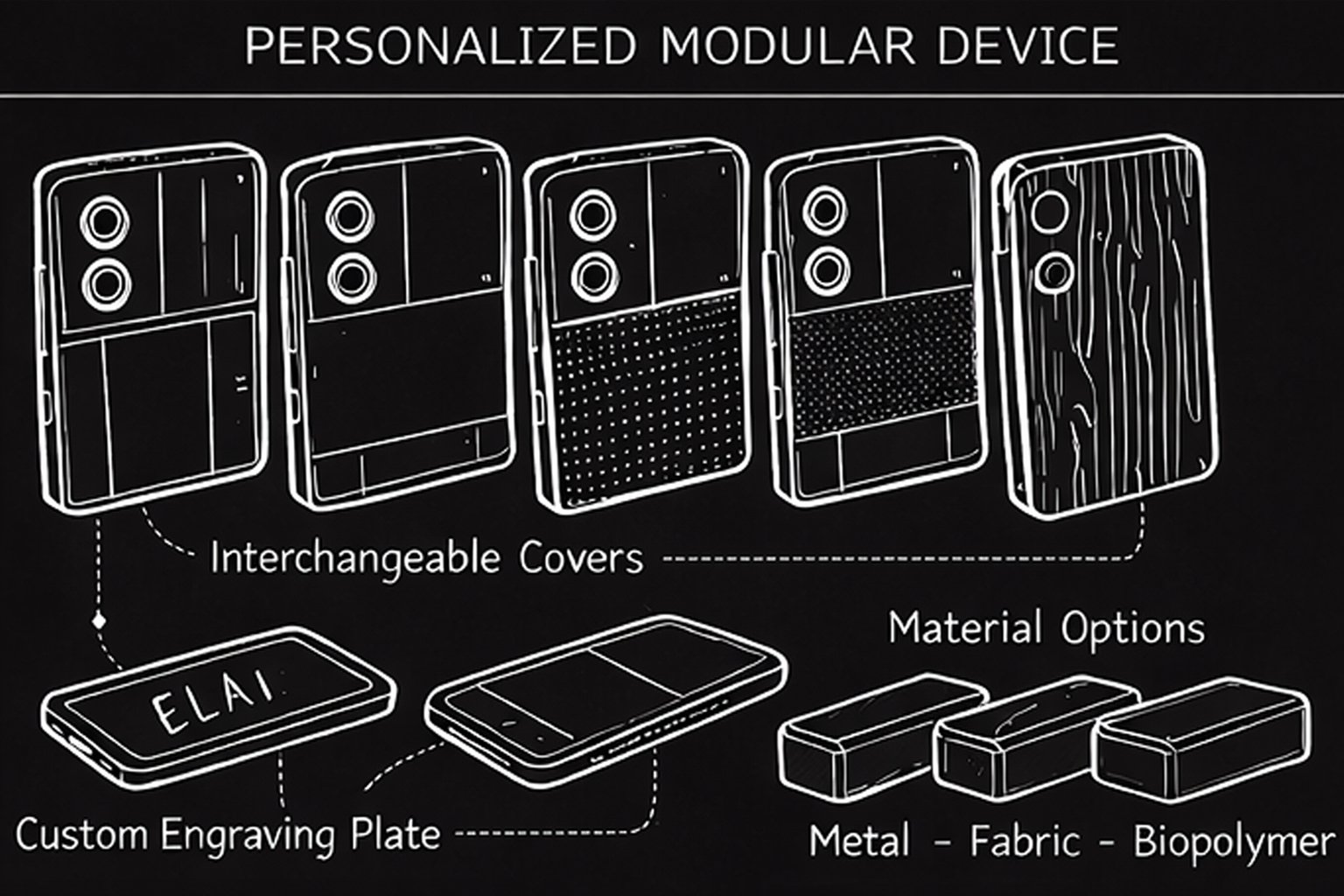
Emotionally driven customization will surpass the current utilitarian concept of existing models, increasing desirability, identity, and long-term user engagement.
-
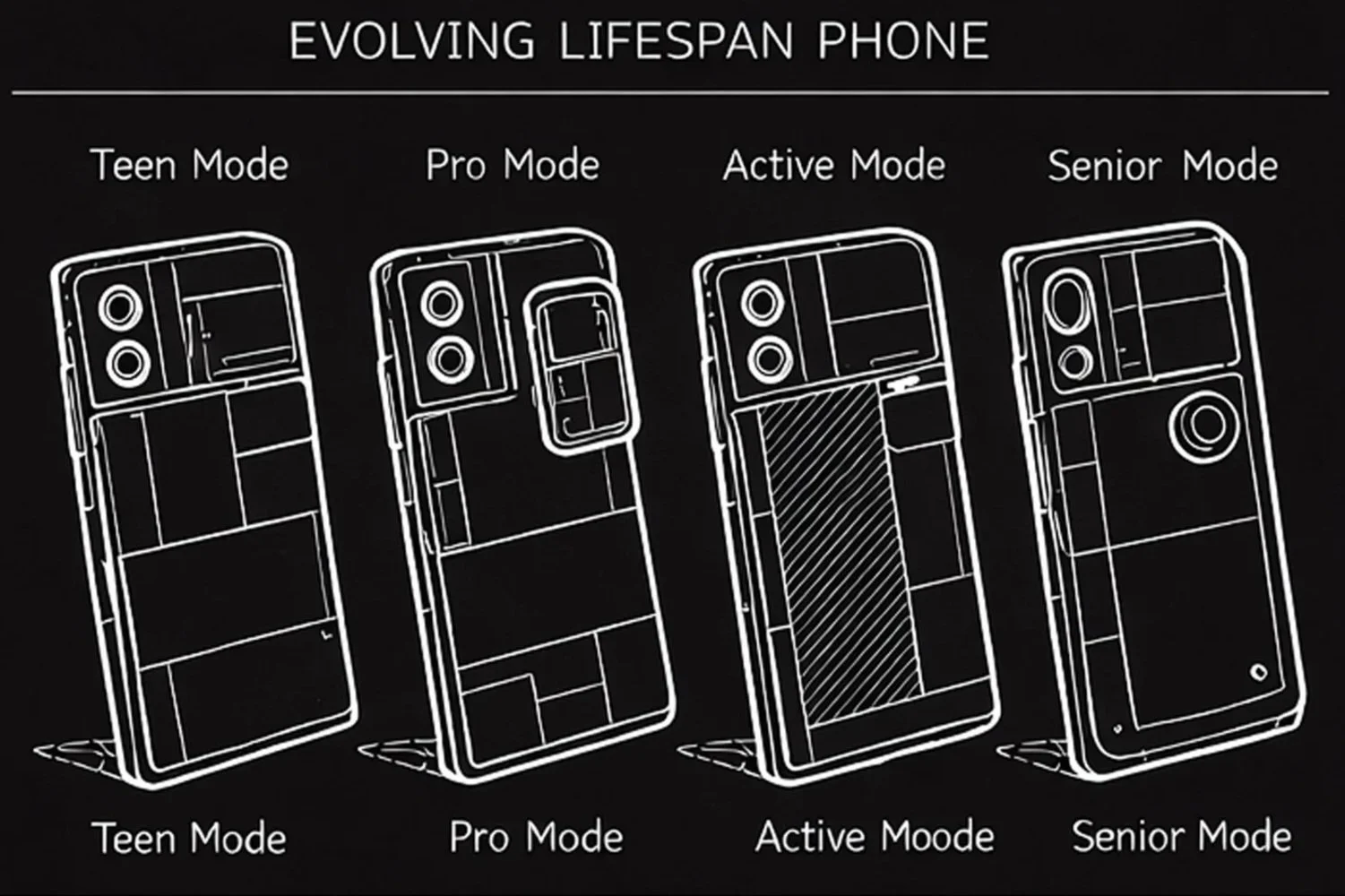
Lifecycle adaptability reduces short-term modular upgrades, allowing users to evolve alongside their device, tailoring to all ages, environments, and intentions of use.